


A user can start experiencing intense cravings for cocaine, spending most of their time and resources getting the substance and using it. In doing so, they tend to neglect their responsibilities to continue to use the drug. Quitting cocaine presents significant challenges, including physical and psychological withdrawal symptoms, cocaine addiction treatment making it essential to recognise dependence and seek appropriate help. Addiction specialists can provide tailored treatment plans, addressing both the physical and psychological aspects of dependence.
Steps To Take When You’re Ready To Stop Using Cocaine
Recovery requires a long-term commitment and frequently a change in lifestyle, including severing ties with certain social circles and avoiding environments that trigger drug use. Developing effective coping strategies is essential for maintaining long-term recovery from crack addiction. One of the first steps is identifying and avoiding triggers – the people, places, or situations that might tempt an individual to use drugs. This might involve cutting ties with former drug-using friends, avoiding certain neighborhoods, or learning to manage stress in healthier ways. Furthermore, the study also found that people who seek professional support for cocaine addiction are less likely to relapse than those who try to quit on their own.
Start your Journey Today! +1 ( 444-1838
Medical patients now experience more difficulties with staying busy during their detox. Getting that much-needed rush of dopamine from health activities has become more difficult than ever. Lucky for us, there is good news surrounding Coronavirus vaccines that can give us all hope for a brighter future. Friends and family are usually the individuals we see most often, so informing them about your addiction, as well as your goals to quit, will be imperative to a successful recovery. But when the effects of the substance diminish, the person can feel the exact opposite.
Why Treatment Is Necessary
Once we recognize the problem, which is the key to starting a detox treatment, we can begin to consider a alcoholism symptoms new life without addictions. Some individuals may become more irritable and aggressive, while others may become withdrawn and isolated. The constant need for secrecy often leads to strained relationships and a loss of trust among family and friends.
- Only 10-30% of people who attempt to quit cocaine without support remain drug-free for six months or more, whereas rehab programs have success rates of 50-60%.
- To assess your needs, consider your physical and psychological health, lifestyle, and environment.
- Keep in mind, it is not an easy journey, and it may take a combination of approaches to make the actions stick.
responses to “How to Quit Cocaine: Overcoming Addiction & Withdrawal Symptoms”
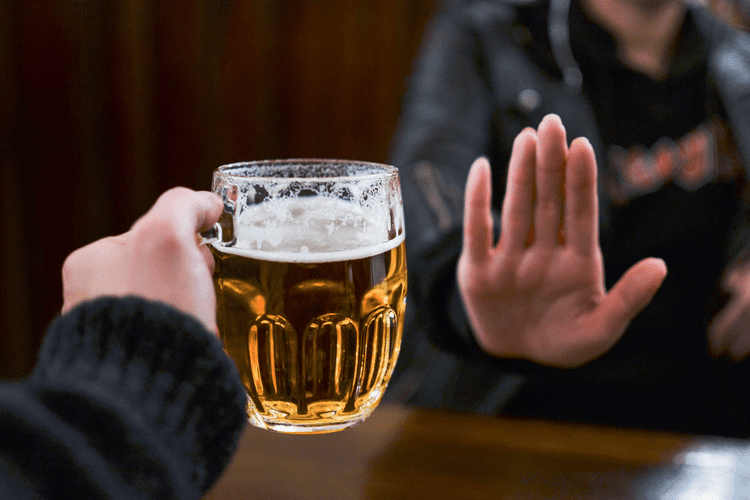
For many individuals trapped in the grip of crack addiction, recognizing the need for change is a crucial first step towards recovery. This realization often comes after hitting rock bottom or experiencing a wake-up call that forces them to confront the reality of their situation. Crack cocaine’s siren song lures countless individuals into a devastating spiral of addiction, leaving shattered lives and broken dreams in its wake.
- Utilizing resources like helplines and online forums provides additional avenues for guidance and support throughout the recovery journey.
- However, that can be hard to do when you’ve become accustomed to a substance.
- Cocaine also affects other neurotransmitters in the brain, such as norepinephrine and serotonin, further contributing to its addictive properties.
Side effects of crack and side effects of cocaine after prolonged use vary by individual, but none are pleasant, and few are easy to overcome alone. Indeed, someone addicted to cocaine can experience some serious withdrawal symptoms, including fever and even seizures. As with many substance use disorders, cocaine rehabilitation obstacles can involve multiple challenges. Because a large proportion of people in cocaine recovery suffer from another mental health disorder, the challenges of managing two diagnoses can complicate recovery and make it harder. Behavioral therapies help people in drug addiction treatment modify their attitudes and behaviors related to drug use.
I Didn’t Lose My Job or My Family — But I Was Losing Myself: My Journey Through Alcohol Addiction Treatment

These symptoms can vary in intensity and duration, but knowing what to expect can help you prepare and seek the necessary support. Cocaine addiction is a formidable adversary, affecting millions worldwide and disrupting lives in profound ways. This article explores effective strategies around how to beat cocaine addiction, recognising that the journey to recovery is often challenging but ultimately achievable. Dr. Thomas Walker, a seasoned Addiction Treatment Specialist and Psychiatrist, has dedicated his life to providing compassionate care to the Charleston community. Born and raised in Columbia, South Carolina, he developed a profound commitment to helping individuals struggling with addiction.